

About this guide
If you have counted stock, set appointments or chased a missing order, you already have a starting point in logistics. Compare ten roles by their daily decisions and see which shifts would work for you.
In this guide
The delivery is due at nine. The truck reaches the dock, but there are eight cartons where the order shows ten. A receiving clerk checks the count, a planner works out which order needs those parts first, and a buyer contacts the supplier. Someone also needs to tell the customer whether the promised date still holds. One short shipment reveals several ways to build a career in logistics.
The 10 roles with the most Jobbol openings
Jobbol’s Logistics & Supply Chain category held 1,841 U.S. listings on November 20, 2026. Management and purchasing feature prominently in this snapshot. The table also includes desk and dock roles that can be easier to explore with experience in inventory, customer service or scheduling.
Find logistics and supply chain jobs near your city
| Rank | Occupation | Jobbol openings | What to look for |
|---|---|---|---|
1 | 351 | Ask how many shifts and locations you would oversee and who takes the call when a carrier misses its slot. | |
2 | 328 | Look for spending authority, supplier negotiations and the number of people or product categories you would manage. | |
3 | 251 | Check whether you place orders, compare quotes or resolve supplier delays. Ask what you can approve independently. | |
4 | 232 | Read for responsibility across purchasing, inventory, production and delivery. Ask which measures the role owns. | |
5 | 169 | Look for work connecting inventory, suppliers and delivery schedules. Ask what a typical disruption looks like. | |
6 | 161 | Check how often schedules change, which system holds the plan and who can authorize a revised date. | |
7 | 61 | Ask how much of the shift is spent on the floor, how discrepancies are recorded and what equipment is used. | |
8 | 42 | Look for products you would select, how buying decisions are made and who handles stock that sells slowly. | |
9 | 34 | See whether you would build forecasts, examine inventory levels or evaluate suppliers. Ask who uses the analysis. | |
10 | 33 | Check for route, freight-cost and delivery-performance analysis. Ask how recommendations reach dispatch teams. |
Where would you step in when two cartons are missing?
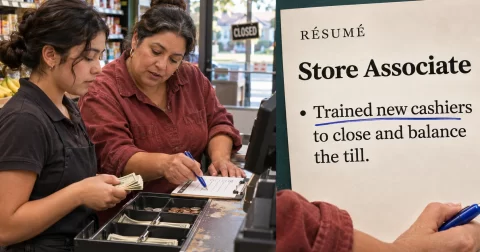
A retail worker who counts stock before opening knows something a receiving team values: how to notice a mismatch and avoid passing it to the next shift. Someone who schedules appointments may recognize the job of a planning clerk who has to fit a late arrival into an already full day. If you have kept purchase records, compared quotes or followed an order through delivery, purchasing agent roles may be worth a closer look.
Read how frequently the work takes you onto the floor. A title containing “inventory” can describe a person scanning cartons at a dock or a person analyzing stock levels at a desk. Scan for verbs such as count, unload, reconcile, forecast or approve. Then look for who uses the result of your work. It is a quick way to picture an ordinary Tuesday.
Work through a realistic interview question
Suppose the count is short by two cartons and a client expects delivery tomorrow. Explain how you would confirm the item number and quantity against the order and receiving record. Identify which colleague needs the information, how you would record the discrepancy and when you would give an update. If a buyer or supervisor owns the decision to substitute an item, say when you would involve them. This answer shows accuracy, communication and respect for who can change the order.
For an analyst interview, the same scenario can become a small work sample. Use invented data for ordered quantity, received quantity and promised date across a handful of shipments. Flag repeat discrepancies and describe one question you would ask the receiving team before recommending a change. A clean explanation of one exception gives an interviewer something concrete to discuss.
Check whether the schedule works in real life
- Ask for the actual start and end times of an ordinary shift, including the handoff to the next team.
- Ask who covers a late truck, a weekend delivery or a supplier in a different time zone.
- For site-based roles, map a sample shift onto your calendar. Check whether you can get home after a late handoff as well as reach the site on time.
- For a supervisor or planner role, ask how often the team changes the plan after hours and how coverage is assigned.
Use the national trend to choose a local next step
The U.S. Bureau of Labor Statistics projects 18% employment growth for logisticians from 2025 to 2035 and about 26,600 openings a year nationwide on average. The projection covers logisticians specifically. Purchasing managers, buyers and clerks have their own entry paths. For example, BLS describes a bachelor’s degree as typical for logisticians while noting that some jobs accept less education and relevant experience.
Choose two roles that touch the same handoff, such as receiving clerk and planning clerk. Set the same city on both lists. For three postings, note the shift, software, physical work and first decision you would make independently. Apply where you can already describe a similar handoff from your own experience.
Sources
- U.S. Bureau of Labor Statistics - Logisticians
- U.S. Bureau of Labor Statistics - Purchasing Managers, Buyers, and Purchasing Agents
Sources reviewed 2026-11-20. Editorial policy